2026 Top Water Valve Trends You Need to Know?
In the rapidly evolving world of plumbing solutions, understanding the latest trends in Water Valve technology is essential. Water valves play a crucial role in managing water flow and ensuring system efficiency. As we approach 2026, several key trends are shaping the future of water valves. These trends reflect advancements in sustainability, automation, and user control.
The focus on sustainability is stronger than ever. Manufacturers are designing water valves that minimize leakage and waste. This innovation not only conserves resources but also saves costs in the long run. Automation is another significant trend. Smart water valves now allow for remote monitoring and control, enhancing operational efficiency.
However, implementing these technologies comes with challenges. Not all systems can accommodate advanced water valves easily. Professionals must consider compatibility issues and training needs. Despite these hurdles, staying informed about water valve trends is vital for professionals in the plumbing and construction industries to maintain a competitive edge.
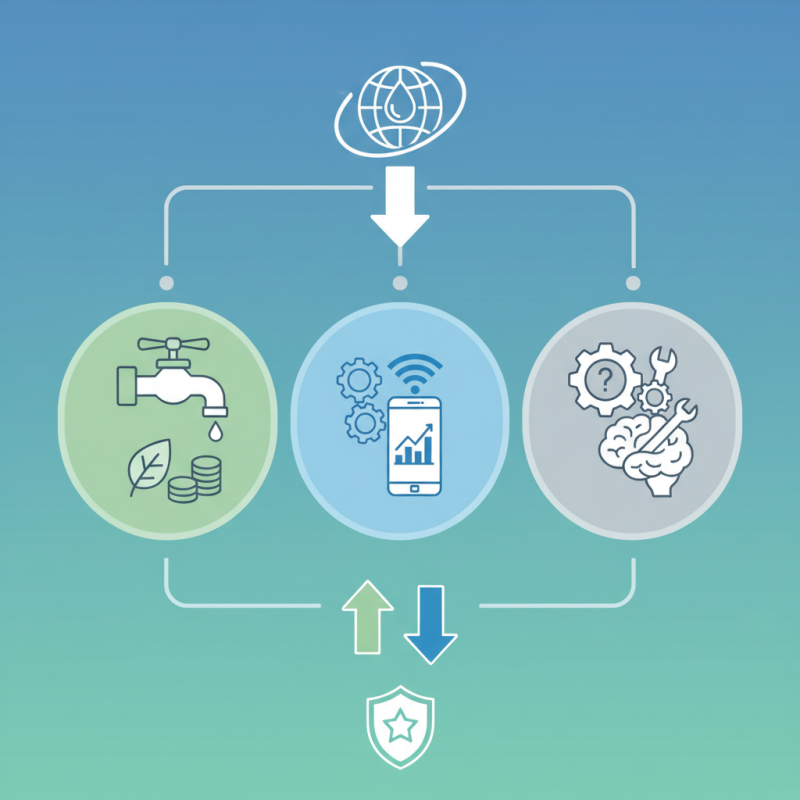
2026 Key Innovations in Water Valve Technology
Water valve technology is evolving rapidly, and 2026 promises to be a pivotal year. Key innovations focus on smart technology integration. These valves can now monitor and adjust water flow automatically. They help conserve water and energy. Sensors embedded in these devices provide real-time data. This data can alert users to leaks or inefficiencies, enabling proactive maintenance.
Another exciting trend is the use of sustainable materials. Manufacturers are increasingly utilizing recycled plastics and stainless steel. These materials not only reduce waste but also enhance durability. However, the challenge remains in balancing cost and performance. Not all sustainable options are viable for every application.
User interface design is also improving. Valves now feature intuitive controls that enhance user experience. Clear visual indicators assist in immediate troubleshooting. Yet, some designs can be overly complicated for non-expert users. Striking the right balance between functionality and usability is crucial. Emerging technologies are inspiring positive change, but the industry must continue seeking feedback for ongoing improvements.
Emerging Materials and Their Impact on Water Valves
Emerging materials in water valve manufacturing are transforming the industry. Research suggests that the global demand for innovative materials will rise by over 25% by 2026. These materials promise greater durability, corrosion resistance, and improved functionality. For instance, composite materials are gaining traction due to their lightweight nature and resistance to environmental factors.
Engineers are increasingly focused on using high-performance polymers. These polymers can endure high pressures and temperatures, making them ideal for various applications. However, transitioning to these advanced materials poses challenges. The costs of new manufacturing processes can be significant, and not all designs currently accommodate them. A careful assessment of the entire supply chain is essential.
Tips: Consider evaluating the lifespan and maintenance of water valves before making a choice. Carefully weigh the initial costs against long-term benefits. Collaborating with experts on material selection can provide valuable insights, helping businesses avoid costly mistakes. Investing time in understanding the properties of these materials can drastically improve valve performance and longevity.
Sustainability Trends in Water Valve Manufacturing
Sustainability is becoming essential in water valve manufacturing. As we move towards 2026, manufacturers must embrace eco-friendly practices. Reducing waste and using recyclable materials are key focuses. Innovations in design aim to enhance efficiency while minimizing environmental impact.
Tips: Consider using valves made from sustainable materials. Evaluate the lifespan of a valve before purchase. Opt for products that come with recycling programs.
Water conservation is also a priority. Advanced technology in valve design can lead to significant water savings. Smart valves equipped with sensors help in monitoring usage. This real-time data enables better management of resources.
Tips: Regular maintenance of valves is crucial. Ensure they are functioning correctly to prevent leaks. Educate yourself about water-efficient technologies.
Embracing these trends can make a substantial difference. The commitment to sustainability in water valve manufacturing is a reflection of broader environmental responsibility. The journey is not without its challenges, but the results can be rewarding.
Smart Water Valve Solutions for Home Automation
Smart water valve solutions are transforming home automation. These devices not only control water flow but also offer enhanced security and efficiency. Homeowners can now monitor their water usage remotely. They receive real-time alerts about leaks or unusual water flow. This technology helps prevent costly water damage and conserves resources.
Integrating smart valves into home systems can be challenging. Compatibility with existing plumbing and software can create hurdles. Users must ensure proper installation and functionality. However, the benefits often outweigh these issues.
Smart valves can provide significant savings on water bills. They allow for programmable schedules, adapting flow based on usage patterns.
The push for sustainability drives innovation in water valve technology. Consumers are looking for eco-friendly solutions. Smart valves contribute to reducing waste and optimizing consumption. But, many people still hesitate to adopt these systems. Lack of awareness and technical knowledge remains a barrier. Enhancing education around these tools is essential for broader acceptance.
Market Influences Shaping the Future of Water Valves
The water valve market is experiencing significant shifts, influenced by advancements in technology and sustainability practices. According to a recent industry report, the global water valve market is projected to grow at a CAGR of 4.5% from 2021 to 2026. This growth is driven by increased demand for efficient water management systems in urban areas. Data shows that nearly (80%) of new residential developments prioritize water efficiency.
Smart technologies play a pivotal role. IoT-enabled valves allow for real-time monitoring and control. This innovation can reduce water wastage and improve system efficiency. A study indicated that smart water management systems could save up to 30% in water usage. However, many organizations still face challenges in integrating this technology effectively.
Tips: Consider adopting smart water valves to optimize efficiency. Regular maintenance is crucial; even the best technology can fail without care. Understanding local regulations on water usage can guide your valve choices. The right valve can make a significant difference in performance and sustainability.