Financing

If you are interested in financing to fund your Bay-Lynx purchase, we recommend that you connect with Easylease Corp., a Canadian-based leasing and finance company that offers premier equipment leasing and financial services. They are focused on making it easier than ever before for companies to overcome cash flow and resource constraints to acquire the assets they need to grow their business.

Leasing through Easylease Corp. can offer several benefits:

  • Conserve Cash Leasing
  • 100% Financing
  • No Pre-Payment of Taxes
  • Preserve Lines of Credit
  • Potential Income Tax Benefits
  • Pay as You Profit
  • Match Revenue with Expenditures
  • Simple, Convenient Process
  • Tailored Payments

Click here for your Canadian instant lease quote >>

For US customers, Click here for your instant lease application >>

10 Best Concrete Mixers for Global Buyers?

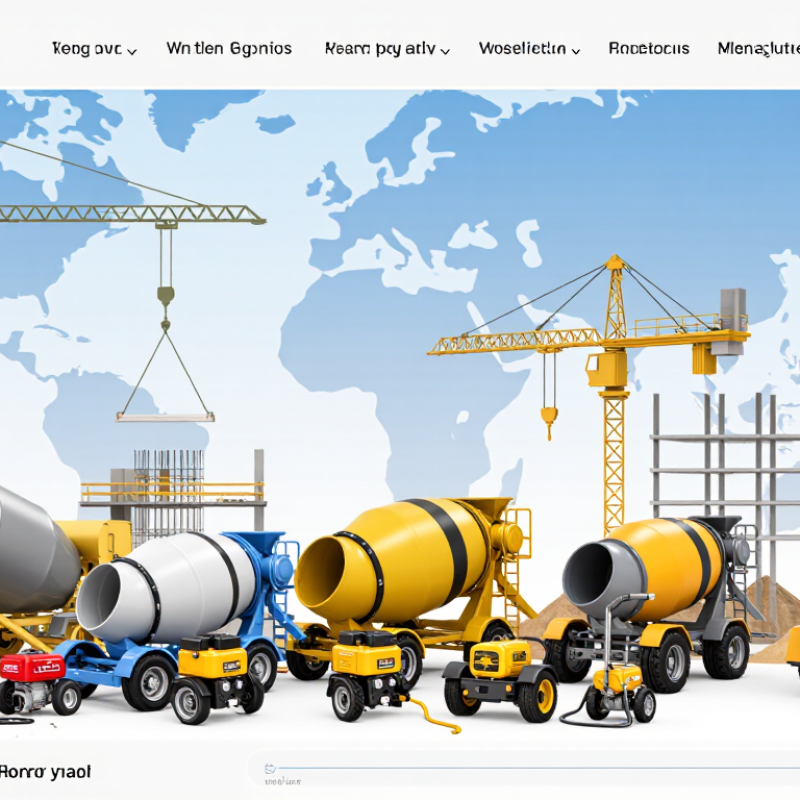
Choosing the 10 Best Concrete Mixers for Global Buyers requires more than comparing prices and drum sizes. A reliable concrete mixer must match the buyer’s working conditions, production volume, power supply, and transport limitations. Job sites in Nairobi, Toronto, and Jakarta rarely share the same requirements. Some need compact diesel units for uneven ground. Others require electric mixers near stable power sources and enclosed construction areas.

Concrete technology expert Pierre-Claude Aïtcin once wrote, “Concrete is not a simple material.” His observation also applies to mixing equipment. Poor mixing can leave dry pockets, uneven aggregates, or inconsistent workability. These defects may appear small inside a rotating drum. They can become expensive structural problems later. Our evaluation considers mixing uniformity, drum design, motor performance, loading capacity, cleaning access, operator safety, and spare-parts availability. After-sales support matters too. A low purchase price is not always a low ownership cost.

Some choices look excellent on paper. Field conditions can disagree. A powerful mixer may consume too much fuel, while a lightweight model may struggle with heavy aggregate. Buyers should also check local electrical standards, shipping dimensions, warranty terms, and maintenance skills. These details are easy to overlook. They should not be. This guide compares ten practical options for global buyers, while recognizing that no single machine suits every site. The ranking may still invite debate, because budget, climate, and project scale change the final decision. That is useful. Careful buyers should question every “best” label before ordering.
10 Best Concrete Mixers for Global Buyers?

Concrete Mixer Types and Their Best Use Cases

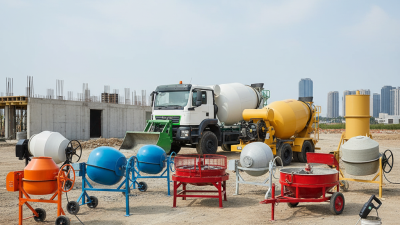
Choosing among the ten best concrete mixers depends on material, output, and working conditions. A portable drum mixer suits small repairs, garden paths, and remote sites. A truck-mounted drum mixer supports steady delivery for foundations and road projects. A twin-shaft mixer handles large batches and stiff concrete efficiently. Its aggressive mixing action can improve consistency, but it may require skilled maintenance. A planetary mixer offers precise blending for precast panels, paving blocks, and colored concrete. A pan mixer works well with dry mixes and limited production volumes.

A ribbon mixer fits mortar, lightweight concrete, and materials needing gentle movement. A continuous mixer supports long, uninterrupted work, although calibration mistakes can waste material quickly. A volumetric mixer measures cement, water, and aggregates on site. It helps buyers manage changing batch sizes. A self-loading mixer combines loading, mixing, and transport for rural or uneven projects. A small electric mixer is practical indoors, where lower noise and easier handling matter. No type is perfect. We sometimes choose based on price and regret the decision later.

Tips: Check hourly output, drum capacity, motor power, cleaning access, spare-part availability, and local electrical standards. Ask for test-mixing records before purchasing. Inspect welds, paddles, discharge gates, and safety guards. For international buyers, confirm shipping dimensions and operator training requirements. A mixer that performs well in a factory may struggle on dusty ground or during cold weather. Trial batches reveal more than brochures.

Key Features to Compare Before Choosing a Concrete Mixer

10 Best Concrete Mixers for Global Buyers?

Choosing a concrete mixer starts with the job, not the product label. Compare drum capacity with your real batch size. A large drum may waste material on small projects. For residential work, a mixer producing consistent batches can be more useful than maximum volume. Check the mixing time, blade design, and discharge height. Uneven concrete often reveals weak internal paddles or overloading.

Power requirements deserve careful attention. Electric models suit stable sites with reliable supply, while diesel or petrol systems may support remote work. Confirm voltage, frequency, fuel access, and local emissions rules before ordering. A reinforced frame, sealed bearings, and corrosion-resistant surfaces can reduce downtime in wet conditions. Inspect wheel size and handle balance too. Moving a heavy machine across gravel should not require two workers.

Safety features are easy to overlook. Look for guarded belts, emergency stops, stable stands, and clear operating instructions. Noise levels matter near homes or enclosed sites. Ask about spare parts, maintenance intervals, warranty terms, and technician support in your region. Experienced buyers should request test videos or batch samples, but evidence is not perfect. A polished demonstration may hide difficult cleaning or slow unloading. Measure the machine’s footprint, shipping weight, and access path before purchase. That small check can prevent an expensive surprise.

Ten Leading Concrete Mixers for Global Buyers

Ten Leading Concrete Mixers for Global Buyers

Choosing among ten leading concrete mixers requires more than comparing motor power. Field experience shows that site access, batch size, local climate, and repair support often matter more.

A portable drum mixer suits small projects and remote locations. A reverse-drum mixer handles flexible loading and discharge. A tilting-drum mixer empties quickly, while a non-tilting drum offers a simpler structure. Twin-shaft mixers deliver fast, even blending for large commercial batches. Their paddles need careful inspection.

A planetary mixer provides strong mixing action for demanding concrete recipes. A pan mixer works well with stiff mixes and controlled production.

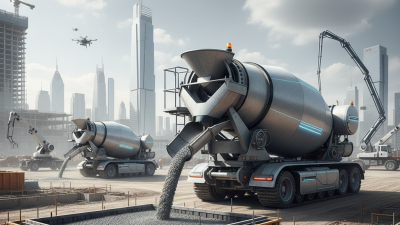
Continuous mixers support steady output when materials feed consistently. Self-loading mixers combine weighing, loading, mixing, and transport on one machine.

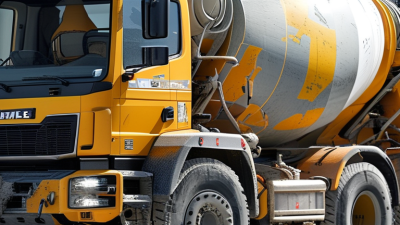
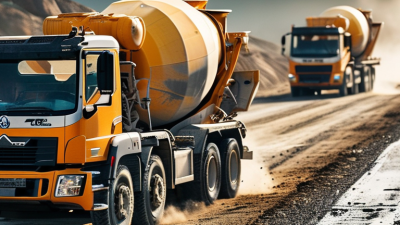
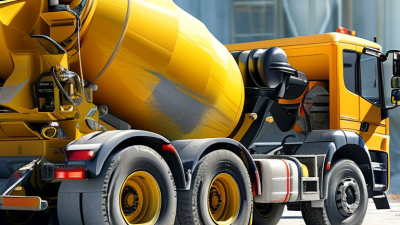
Truck-mounted transit mixers keep fresh concrete moving between plants and construction sites.

I once underestimated cleaning time on a compact mixer; the delay affected the next pour. That mistake still influences my buying checks.

Global buyers should verify drum capacity, power frequency, water systems, safety guards, and spare-part availability. Ask for test records and clear maintenance instructions.

A low purchase price can become expensive when technicians or seals are difficult to obtain. No mixer is perfect. The right choice depends on measured workload, operator skill, and dependable after-sales communication.

Performance, Capacity, and Power Comparison

10 Best Concrete Mixers for Global Buyers

Performance, Capacity, and Power Comparison

Choosing among ten concrete mixers requires more than checking drum size. A mixer must produce a uniform blend under real site conditions. On small projects, 120 to 180 liters may support steady batches without wasting material. Larger construction teams may need 250 to 500 liters, but capacity alone can mislead. A heavily filled drum may slow mixing and strain the motor.

Performance depends on blade design, drum rotation, loading access, and discharge control. A practical test should measure mixing time, remaining material, and batch consistency. Operators should inspect whether cement collects near the drum rim. That detail matters. A mixer that empties cleanly can reduce labor and material loss. Frame stability also affects results on uneven ground.

Power selection requires careful judgment. Electric models often suit enclosed sites, but buyers must confirm voltage, frequency, and motor protection. Fuel-powered units can support remote work, though noise, ventilation, and maintenance require attention. Rated power is not the full story. A 1.5-kilowatt motor may perform well with balanced loads, while poor gearing can weaken a stronger motor. Global buyers should verify spare-part access, safety controls, warranty terms, and local service skills. Specifications look precise, but field performance sometimes proves otherwise. A short trial batch remains valuable before a large purchase.

10 Best Concrete Mixers for Global Buyers? – Performance, Capacity, and Power Comparison
Rank Mixer Type and Typical Application Nominal Drum / Pan Capacity Recommended Batch Output Typical Production Rate Motor Power Power Supply Mixing Time Maximum Aggregate Size Mobility Performance Strength
1 80 L Portable Drum Mixer
Small repairs, garden paths, and light residential work
80 L 50–60 L per batch 1.5–2.0 m³/h 0.55 kW 220–240 V, single-phase 2–3 minutes 20 mm Two-wheel portable frame Low power demand, simple operation, and easy transport for occasional jobs.
2 120 L Portable Drum Mixer
Home construction and small contractor projects
120 L 75–90 L per batch 2.0–3.0 m³/h 0.75 kW 220–240 V, single-phase 2–3 minutes 25 mm Wheeled and towable by hand A practical balance between portability, batch size, and electrical efficiency.
3 160 L Drum Mixer
Residential slabs, foundations, and farm improvements
160 L 100–120 L per batch 3.0–4.0 m³/h 1.1 kW 220–240 V or 380–415 V 2–3 minutes 25 mm Heavy-duty wheeled frame Provides higher daily output while remaining suitable for sites without three-phase power.
4 250 L Tilting Drum Mixer
Small commercial construction and concrete maintenance
250 L 160–200 L per batch 4.0–6.0 m³/h 1.5–2.2 kW 220–240 V or 380–415 V 2–4 minutes 30 mm Wheeled chassis; optional tow bar Tilting discharge improves placement speed and reduces manual handling between batches.
5 350 L Drum Mixer
Medium building projects and block-making operations
350 L 230–280 L per batch 6.0–8.0 m³/h 2.2–3.0 kW 380–415 V, three-phase 2–4 minutes 30 mm Trailer-compatible frame Suitable for regular production where consistent batch size and robust drum construction are required.
6 500 L Hydraulic-Discharge Drum Mixer
Roadwork, agricultural construction, and medium contractors
500 L 330–400 L per batch 8.0–12.0 m³/h 4.0–5.5 kW 380–415 V, three-phase 2–4 minutes 40 mm Mobile chassis or skid-mounted Higher capacity and controlled discharge make it effective for demanding site-based production.
7 750 L Twin-Shaft Mixer
Precast products, ready-mix support, and infrastructure work
750 L 0.50–0.60 m³ per batch 25–40 m³/h 22–30 kW 380–415 V, three-phase 30–60 seconds 40–50 mm Stationary plant installation Twin counter-rotating shafts deliver fast, uniform mixing and good performance with low-slump concrete.
8 1,000 L Twin-Shaft Mixer
Commercial batching plants and infrastructure projects
1,000 L 0.65–0.80 m³ per batch 35–55 m³/h 30–45 kW 380–415 V, three-phase 30–60 seconds 50–60 mm Stationary plant installation High throughput, strong aggregate circulation, and consistent mixing for continuous commercial production.
9 1,500 L Planetary Mixer
Precast panels, pavers, dry-cast products, and high-performance concrete
1,500 L 0.90–1.10 m³ per batch 45–70 m³/h 45–75 kW 380–415 V, three-phase 30–60 seconds 30–40 mm Stationary plant installation Multiple mixing tools provide excellent homogeneity for stiff, dry, colored, and specialty concrete mixes.
10 2,000 L Twin-Shaft Mixer
Large ready-mix plants, dams, bridges, and major civil works
2,000 L 1.30–1.60 m³ per batch 70–100 m³/h 55–90 kW 380–415 V, three-phase 30–60 seconds 60–80 mm Stationary plant installation Designed for maximum industrial output, rapid discharge, and reliable mixing of large aggregate volumes.
Technical note: Figures are typical operating ranges for commonly used mixer configurations. Actual output depends on filling ratio, concrete slump, aggregate grading, cycle time, operator practice, installation layout, and local electrical standards. Nominal capacity refers to the mixer volume; recommended batch output is lower to allow effective mixing and safe operation.

Buying, Operating, and Maintaining a Concrete Mixer

Buying a concrete mixer requires more than comparing drum capacity. Global buyers should match batch size, motor power, local voltage, and transport conditions. The Global Cement and Concrete Association reports that the world uses nearly 14 billion cubic metres of concrete yearly. That scale demands dependable equipment, not attractive specifications alone.

Check the mixer’s rated output against real production needs. A drum marked 350 litres will not deliver 350 litres of finished concrete. Aggregate shape, moisture, and loading order reduce usable capacity. During operation, add water carefully and follow the specified mixing time. Too much water weakens concrete. The American Concrete Institute recommends controlled batching and consistent mixing practices in ACI 304R.

Keep hands away from moving parts. Small shortcuts become expensive injuries.

Maintenance begins after each batch. Wash the drum before residue hardens, but protect electrical controls from direct water. Inspect blades, belts, bearings, frame bolts, and emergency stops weekly. Lubricate only with the approved product. I have seen neglected bearings increase vibration before failure; the warning was obvious, yet easy to ignore. The International Energy Agency estimates cement production creates about 7% of global carbon dioxide emissions, so reducing rejected batches also matters. Keep a service log with dates, operating hours, unusual noise, and replaced parts. It may feel excessive. It is not. Reliable records often expose wear before downtime interrupts a project.