Financing

If you are interested in financing to fund your Bay-Lynx purchase, we recommend that you connect with Easylease Corp., a Canadian-based leasing and finance company that offers premier equipment leasing and financial services. They are focused on making it easier than ever before for companies to overcome cash flow and resource constraints to acquire the assets they need to grow their business.

Leasing through Easylease Corp. can offer several benefits:

  • Conserve Cash Leasing
  • 100% Financing
  • No Pre-Payment of Taxes
  • Preserve Lines of Credit
  • Potential Income Tax Benefits
  • Pay as You Profit
  • Match Revenue with Expenditures
  • Simple, Convenient Process
  • Tailored Payments

Click here for your Canadian instant lease quote >>

For US customers, Click here for your instant lease application >>

What Is a Vehicle Spray Booth and How Does It Work?

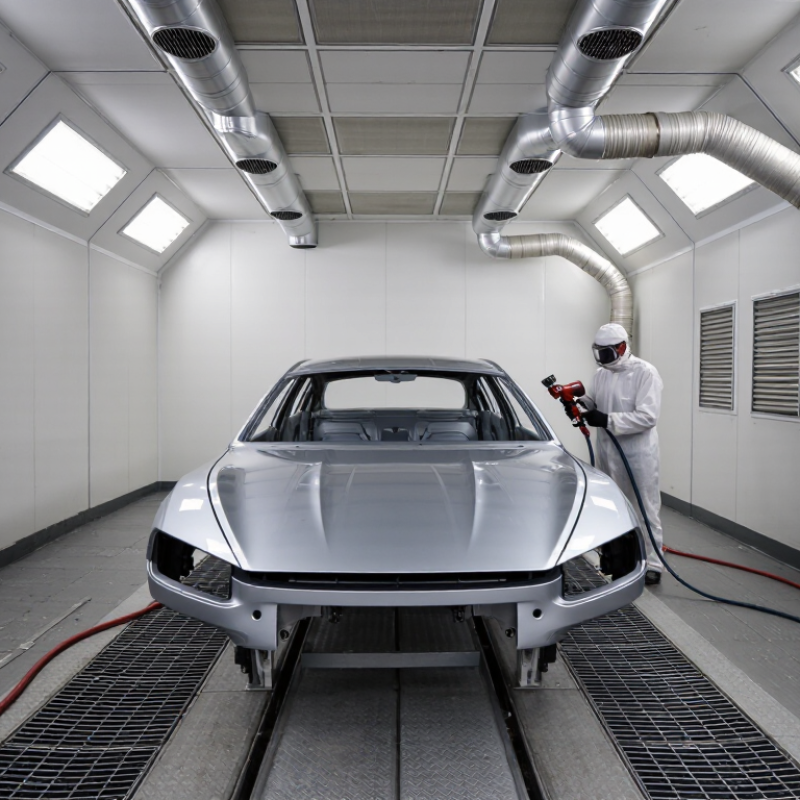
A Vehicle Spray Booth is more than a sealed room with bright lights. It is a controlled finishing environment that manages airflow, temperature, humidity, overspray, and contaminants. Inside, filtered air moves across the vehicle, while exhaust systems draw paint mist away from the technician and freshly coated panels. The result should be a cleaner finish, safer work area, and more predictable curing process. Sometimes, the smallest dust particle exposes a weak process.

Industry research supports this growing focus on controlled refinishing. Grand View Research identifies automotive refinish coatings as a significant and expanding coatings segment, driven by vehicle repairs, restoration, and professional bodywork. MarketsandMarkets also reports continuing demand for automotive coating technologies that improve durability, appearance, and application efficiency. These reports describe market direction, not guaranteed workshop results. Equipment still requires correct installation, maintenance, and operator discipline.

Dan Morrissey, a finishing-systems specialist associated with Global Finishing Solutions, explains the principle clearly: “Control the environment, and you control the finish.” That idea shapes this guide. We will examine booth construction, airflow patterns, filtration, lighting, heating, safety controls, and daily operating practices. A modern Vehicle Spray Booth can reduce visible defects, but it cannot rescue poor surface preparation. That is the uncomfortable part. Clean panels, calibrated equipment, and trained technicians remain essential. This overview will connect the booth’s technology with the practical decisions made before, during, and after spraying.

What Is a Vehicle Spray Booth and How Does It Work?

What Is a Vehicle Spray Booth?

A vehicle spray booth is an enclosed workspace designed for painting and refinishing vehicles. It separates wet paint from dust, nearby equipment, and other workshop activities. The booth uses controlled airflow to move contaminated air away from the vehicle. This helps create a cleaner, more even finish.

A typical booth includes filtered air inlets, exhaust fans, lighting, and replaceable filters. During spraying, clean air enters from above or through the side walls. Air then carries paint mist toward the exhaust system. Filters capture much of this mist before the air leaves the booth. Strong lighting helps technicians notice uneven coverage, small runs, or missed edges. Temperature and humidity also affect drying and surface quality.

The booth is not simply a large box. It is a working system that needs regular inspection. Technicians should check airflow, filter condition, lighting, and pressure before painting. Even a small seal gap can disturb the spray pattern. The system is not foolproof. Rushed cleaning still causes problems in real workshops. A dirty floor can release dust onto fresh paint. Poor maintenance may also reduce ventilation and create unsafe conditions. Proper protective equipment, trained operators, and documented procedures remain essential. Equipment alone cannot guarantee a professional result. Good judgment matters, and that part is sometimes overlooked.

What Are the Main Components of a Spray Booth?

A vehicle spray booth is a controlled enclosure for applying paint, primer, or clear coat. Its main components manage airflow, contamination, fire risk, and worker exposure. The enclosure usually uses steel or coated panels, sealed joints, bright lighting, and a smooth floor. These details matter. Dust hides in corners.

The ventilation system is the booth’s working core. Supply fans push filtered air across the vehicle, while exhaust fans remove overspray and solvent vapors. Intake filters capture airborne particles before they reach wet paint. Exhaust filters collect paint solids before air leaves the system. The U.S. Environmental Protection Agency’s AP-42 guidance identifies VOCs and particulate matter as key emissions from coating operations. It also links emissions to coating solids, transfer efficiency, and exhaust controls. Poor filter maintenance can quickly change booth performance.

Lighting, pressure controls, and fire-protection equipment complete the system. Even light distribution helps technicians spot dry spray, runs, and color variation. Pressure gauges show whether filters are loading. NFPA 33 requires safeguards for spray application areas, including suitable ventilation and electrical equipment. The exact design depends on booth type and local requirements. A 2024 industry market report estimated continued growth in automotive paint-booth demand, driven by repair volumes and stricter emission expectations. Yet reports cannot replace field checks. Airflow may look correct while a blocked filter quietly reduces quality.

What Is a Vehicle Spray Booth and How Does It Work?

Main Components and Typical Airflow Targets

A vehicle spray booth uses controlled airflow to move overspray and solvent vapors away from the painted surface, through filters, and toward a safe exhaust point. Its main components include the air supply unit, intake filters, plenum, booth chamber, exhaust filters, exhaust fan, lighting, and control system. The chart shows common target air velocities used for different booth airflow configurations; exact values vary with booth design, coating type, and applicable safety regulations.

How Does the Vehicle Painting Process Work?

A vehicle spray booth is a controlled room where technicians apply paint with cleaner airflow and stable conditions. Filtered air moves across the vehicle and carries overspray toward exhaust filters. This reduces dust, improves visibility, and helps protect the surrounding workspace. Temperature and humidity also affect drying, so technicians monitor both during the job.

Vehicle painting begins with careful preparation. The technician cleans the body, removes grease, and repairs dents or scratches. Panels are sanded until the surface feels even under a gloved hand. Masking protects glass, trim, tires, and door gaps. Small details matter. A missed edge can become visible after painting.

Inside the booth, the painter applies primer when the repair requires extra adhesion or corrosion protection. After the primer dries, the surface is lightly sanded and cleaned again. Color coats follow in thin, overlapping passes. Heavy spraying can cause runs, while rushed passes may leave weak coverage. Each coat needs a flash period before the next one.

The painter then applies clear coat for gloss and protection. The vehicle may cure in the booth under controlled heat or airflow.

In practice, timing is not always perfect. Experienced technicians still inspect the finish under bright lights, checking color, texture, edges, and trapped dust. Some flaws require sanding and polishing, not denial.

How Does a Spray Booth Control Airflow and Overspray?

A vehicle spray booth is an enclosed workspace designed to control paint application. Its airflow system moves clean air across the vehicle and carries fumes, dust, and overspray toward exhaust filters. This controlled movement helps create a smoother finish and keeps airborne particles away from wet paint.

Supply fans push filtered air into the booth, often through ceiling panels. The air then travels downward or horizontally, depending on the booth design. Exhaust fans pull contaminated air through layered filters before releasing it safely through the ventilation system. Even airflow matters. Strong turbulence can create dry spray, uneven coverage, or paint defects. The floor stays cleaner. That detail matters.

Overspray is paint that misses the vehicle surface. Without control, it can settle on walls, lighting, tools, and freshly painted panels. Proper booth pressure helps manage this problem. Slightly negative pressure can reduce contaminated air escaping through door gaps. However, pressure must remain balanced. Excessive suction may disturb the spray pattern and waste material. In practice, setup is rarely perfect. I have seen operators adjust fan settings, filter condition, and gun distance together rather than blaming one factor. Filters also require regular inspection because blocked filters reduce airflow and increase pressure changes. A booth may look clean while its airflow performs poorly. Operators should check airflow indicators, inspect filter surfaces, and observe whether overspray travels consistently toward the exhaust path. Small changes in vehicle position can also affect results.

What Safety and Maintenance Measures Are Required?

A vehicle spray booth is an enclosed workspace that controls paint mist, airflow, and fumes. Fans draw contaminated air through filters, while clean air moves across the vehicle. This keeps surfaces cleaner and reduces airborne exposure. The system only works safely when airflow remains steady. A blocked filter can make the booth look normal while creating hidden risks.

Keep doors closed during spraying, and never bypass interlocks or ventilation controls. Workers should wear suitable respiratory protection, gloves, eye protection, and paint-resistant clothing. Check the safety data for every coating before use. Remove ignition sources, loose metal objects, and unnecessary equipment from the booth. Good housekeeping matters. Overspray can make floors slippery and coat lamps, walls, and fan housings.

Inspect filters regularly and record pressure readings, cleaning dates, and replacements. Clean lighting covers and grilles with approved methods, not improvised solvents. Examine electrical connections, ductwork, seals, and emergency controls for damage. A daily visual check catches many problems, although it cannot replace professional testing. In practice, maintenance is sometimes delayed when production is busy. That is a mistake worth reconsidering. Even a small airflow change can affect finish quality and worker safety. Schedule airflow verification, grounding checks, and fire-protection inspections according to equipment guidance and local workplace requirements. Dispose of used filters and contaminated materials through approved waste procedures.

What Is a Vehicle Spray Booth and How Does It Work? — Safety and Maintenance Measures
Data Dimension Typical Information or Requirement How It Works or Why It Matters Recommended Control or Frequency Safety Significance
Primary Function A vehicle spray booth is an enclosed or semi-enclosed workspace designed for applying automotive coatings under controlled conditions. It controls airflow, overspray, temperature, lighting, and contamination while directing coating vapors away from workers and ignition sources. Use the booth only for compatible vehicle refinishing operations and approved coating materials. Improves finish quality and reduces exposure to hazardous vapors.
Airflow Direction Common configurations include crossdraft, downdraft, side-downdraft, and semi-downdraft airflow systems. Clean air enters through filtered areas, passes across or down over the vehicle, and exits through exhaust filters and ductwork. Verify airflow direction before use and investigate any noticeable turbulence, dead zones, or reverse flow. Poor airflow can increase overspray, vapor accumulation, and coating defects.
Air Movement Many vehicle booths operate with airflow velocities commonly measured around 0.3–0.6 m/s, depending on booth design and applicable requirements. Controlled air movement carries overspray and solvent vapors toward the exhaust system without disturbing the coating pattern. Measure and document airflow according to the booth manufacturer’s design specification and local regulations. The correct value is system-specific; airflow should not be adjusted solely by appearance.
Filtration System Typical systems use intake filters to remove dust and exhaust filters to capture paint particles before air is discharged. Filters protect the painted surface, reduce contamination of fans and ducts, and limit particulate emissions. Inspect filters regularly; replace them when loaded, damaged, wet, or when pressure drop exceeds the specified limit. Clean filters support stable airflow and reduce fire and contamination risks.
Exhaust Ventilation The exhaust fan and ductwork remove solvent vapors, paint mist, and contaminated air from the booth. Exhaust air is discharged to a suitable location through a dedicated, maintained ventilation route. Inspect fan blades, belts, bearings, duct joints, and discharge points at scheduled intervals. Never operate a spray booth with a failed or obstructed exhaust system.
Temperature Range Automotive coatings are often applied within approximately 18–27°C, subject to the coating technical data sheet. Temperature affects viscosity, atomization, drying time, gloss, and final film performance. Check booth temperature before spraying and follow the coating manufacturer’s specified application range. Stable temperature reduces runs, dry spray, solvent popping, and curing problems.
Relative Humidity Many coating processes perform best at moderate humidity, frequently around 40–70% relative humidity, depending on the product. Humidity influences flash-off, drying, adhesion, blushing, corrosion risk, and static charge behavior. Monitor humidity with a calibrated hygrometer and apply product-specific limits. Excessive humidity may cause poor appearance or curing defects.
Lighting Uniform, sealed, low-glare lighting is used to identify surface imperfections, color variation, and coating coverage. Even illumination helps operators maintain consistent spray distance, overlap, and film coverage. Clean light panels routinely and replace damaged or unsealed fixtures immediately. Lighting fixtures must be suitable for the hazardous environment where flammable vapors may be present.
Coating Application Spray guns atomize liquid coating into droplets that are carried toward the vehicle surface by booth airflow. The operator controls gun distance, travel speed, overlap, pressure, fluid delivery, and spray pattern. Follow the coating technical data sheet and keep the spray gun clean and correctly adjusted. Correct technique reduces overspray, waste, and unnecessary vapor generation.
Personal Protective Equipment Typical PPE may include a properly selected respirator, protective clothing, chemical-resistant gloves, eye protection, and safety footwear. PPE provides protection against inhalation, skin contact, eye exposure, and contamination from coatings and cleaning solvents. Conduct a workplace hazard assessment, maintain PPE, and fit-test tight-fitting respirators where required. PPE does not replace effective ventilation, safe work practices, or exposure controls.
Respiratory Protection Respirator selection depends on coating chemistry, exposure assessment, oxygen levels, and applicable workplace rules. Some coatings may release solvent vapors or hazardous components that require specific respiratory protection. Use only a respirator program managed by a competent person, including medical evaluation, fit testing, and cartridge control. Air-purifying respirators must not be used in oxygen-deficient or immediately dangerous atmospheres.
Ignition Control Open flames, smoking, hot work, unapproved electrical equipment, sparks, and static discharge must be controlled. Many coatings and solvents can form flammable vapor-air mixtures during spraying and cleaning. Maintain designated no-smoking areas, control hot work, bond and ground conductive equipment, and inspect electrical systems. Ignition control is essential during spraying, mixing, waste handling, and solvent cleaning.
Grounding and Bonding Metallic booth components, spray equipment, containers, and conductive workpieces may require bonding or grounding. These measures reduce the accumulation of static electricity that could ignite flammable vapors. Inspect connections and continuity as part of the electrical and booth maintenance program. Use methods appropriate for the booth design and local electrical requirements.
Fire Protection Fire protection may include suitable portable extinguishers, emergency shutdown controls, automatic suppression, and clear escape routes. These systems help control a fire involving coatings, solvents, filters, or contaminated residues. Inspect fire equipment at required intervals and keep access unobstructed. Workers should know emergency shutdown, alarm, evacuation, and reporting procedures.
Booth Cleaning Overspray should be removed from floors, walls, grates, lighting panels, exhaust areas, and other accessible surfaces. Accumulated overspray can reduce airflow, contaminate finishes, increase cleaning difficulty, and add combustible loading. Clean after each work period or according to production volume; use approved non-sparking tools and methods where required. Do not use incompatible solvents or create dust clouds during cleaning.
Paint Sludge and Waste Used filters, solvent rags, sludge, and coating containers may be hazardous or combustible waste. Improper storage can cause vapor release, spontaneous heating, environmental contamination, or fire. Place waste in closed, compatible containers and remove it according to local hazardous-waste procedures. Never leave solvent-soaked rags or waste in open piles inside the booth.
Daily Inspection Check booth cleanliness, filters, airflow indication, lighting, doors, emergency controls, spray equipment, and visible duct conditions. Daily checks identify unsafe conditions before spraying begins. Complete a documented pre-use checklist for every operating shift or workday. Do not use the booth if a critical safety or ventilation defect is found.
Weekly or Periodic Inspection Inspect fans, belts, motors, electrical connections, pressure gauges, seals, ductwork, and grounding points. Mechanical wear and filter loading can gradually reduce booth performance without obvious visual warning. Use a written preventive-maintenance schedule based on operating hours and risk assessment. Document findings, corrective actions, and the person responsible for completion.
Airflow and Pressure Testing Airflow, booth pressure, and filter pressure drop should be checked using suitable calibrated instruments. Measurements confirm that the booth is operating within its intended design range. Test at commissioning and at intervals required by the equipment design, workplace program, or local authority. Visual airflow alone is not a reliable substitute for measurement.
Emergency Response Workers should be trained to stop spraying, activate emergency controls, leave the area, and report fires, spills, or ventilation failures. Fast, coordinated action limits exposure and reduces the chance of fire escalation. Post procedures, conduct periodic drills, and keep emergency contacts accessible. Emergency controls must remain visible, accessible, and clearly labeled.
Operational Principle Air enters through the filtered supply path, moves across the vehicle, captures overspray and vapors, passes through exhaust filtration, and exits through the exhaust system. This controlled air path separates the painting environment from surrounding work areas and supports consistent coating quality. Maintain doors, seals, filters, fans, ducts, and controls so the designed airflow path is preserved. A spray booth is safe and effective only when ventilation, ignition control, housekeeping, and maintenance operate together.
Important: Exact airflow, temperature, humidity, fire-protection, electrical, ventilation, and waste-management requirements vary by booth design, coating chemistry, workplace risk assessment, and applicable local regulations. Always follow the equipment documentation, coating technical data sheets, and legally applicable safety requirements.