Why Choose a Substation With Transformer?
Choosing a Substation With Transformer can shape an electrical project’s safety, efficiency, and long-term operating costs. It influences how power is received, adjusted, protected, and distributed across an industrial site or utility network. In practical projects, engineers examine load demand, voltage requirements, expansion plans, and available space. A transformer changes voltage to a suitable level for reliable transmission or local use. This arrangement can reduce energy losses and simplify coordination between major electrical components. The benefit is tangible. Operators can monitor temperature, noise, oil levels, and protection alarms from one organized installation.
However, the decision requires more than comparing equipment prices. Load forecasts, voltage levels, fault conditions, and maintenance access must be reviewed together. Site surveys reveal details that drawings may miss. A coastal location may demand stronger corrosion protection. A dusty plant may need sealed cabinets and improved cleaning procedures. Protection coordination must also be tested carefully. These details matter. Engineers should compare transformer capacity, cooling methods, insulation performance, spare-part availability, and manufacturer support. A lower purchase price may create higher maintenance expenses later.
This guide explores why a Substation With Transformer may suit demanding power applications. It considers reliability, safety, installation flexibility, and lifecycle value. Readers will see how technical choices affect daily operations, from inspection routines to emergency response. The discussion also recognizes practical limitations, including footprint, noise, heat, and scheduled outages. No design is perfect. A transformer may improve control while adding maintenance responsibilities. By weighing real site conditions and verified technical data, project teams can make a more dependable decision.
What Is a Substation With a Transformer?
Why Choose a Substation With Transformer?
What Is a Substation With a Transformer?
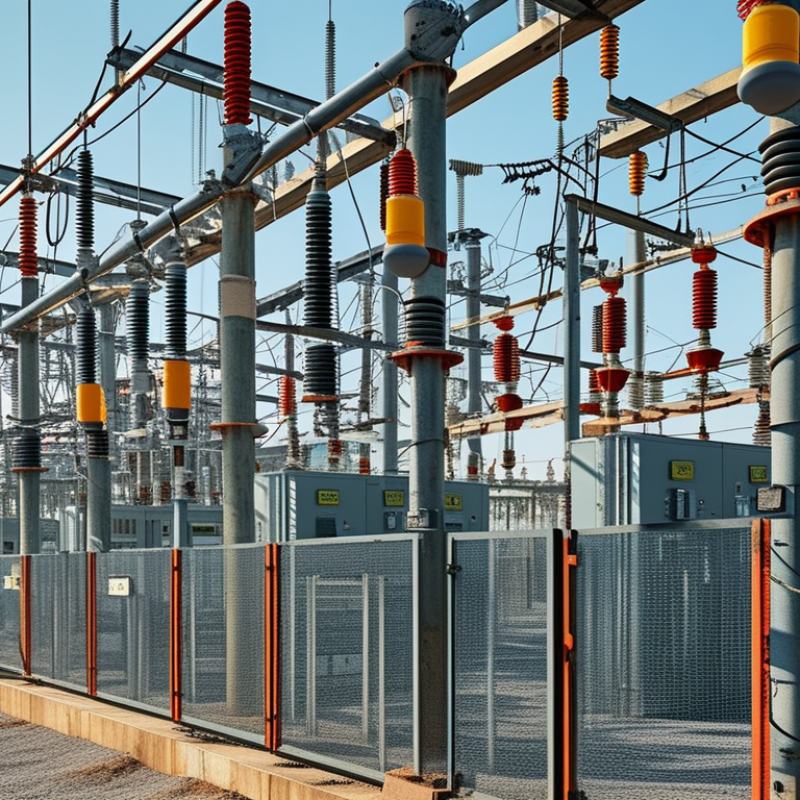
A substation with a transformer is an electrical facility that changes voltage between generation, transmission, and distribution networks. This equipment also supports switching, protection, metering, grounding, and fault isolation. A transformer may reduce a 110 kV feeder to 10 kV for medium-voltage lines. Exact ratios depend on load, network design, and local standards.
The need is growing. The IEA’s Electricity 2024 report projects global electricity demand to grow by an average of 3.4% annually through 2026. More demand makes controlled voltage conversion essential. The IEA’s Electricity Grids and Secure Energy Transitions report estimates that 80 million kilometers of grids must be added or refurbished by 2040. Substations create practical connection points within that expansion.
Choosing a transformer substation can reduce transmission losses and improve supply quality near hospitals, factories, and dense housing. Engineers assess peak load, short-circuit current, cooling, fire separation, noise, spare capacity, and maintenance access. Protection relays should disconnect faults quickly. Poor coordination can still interrupt healthy circuits. That weakness deserves attention. A compact site may look efficient, yet limited working space can delay repairs. No design is perfect. Reliable layouts include clear cable routes, tested alarms, drainage, and safe isolation points. Operating records and thermal inspections help verify real performance.
How Does a Transformer Substation Work?
Why Choose a Substation With Transformer?
How Does a Transformer Substation Work?
A transformer substation controls voltage between power generation, transmission, and local users. Its transformer uses electromagnetic induction, not direct electrical contact, to transfer energy between insulated windings. A step-up transformer raises voltage for long-distance transmission. Higher voltage reduces current and limits line losses. Near factories or homes, a step-down transformer lowers voltage to safer, usable levels. The IEA’s Electricity 2024 report expects global electricity demand to grow by an average of 3.4% annually from 2024 to 2026. That growth increases pressure on reliable voltage management.
Inside the substation, incoming power reaches busbars, circuit breakers, and protection relays. The transformer then adjusts voltage through its windings and tap changer. Sensors monitor temperature, oil condition, current, and abnormal pressure. If a fault occurs, the relay can isolate the affected section within milliseconds. Renewable expansion makes this work more demanding. IRENA reported 473 GW of new renewable capacity in 2023, adding variable power flows to many networks. In practice, a clean single-line diagram can hide difficult details. Cable heating, harmonics, aging insulation, and poor maintenance still cause trouble. A 100 MVA transformer losing 1% under certain conditions wastes about 1 MW, although actual losses vary with load and design. Site measurements matter more than attractive specifications.
What Are the Main Benefits of Choosing One?
A substation with a transformer can make power delivery safer, steadier, and easier to manage. The transformer adjusts voltage for local equipment and distribution lines. This reduces energy loss across longer distances. It also helps match the supply with actual operating needs.
The benefits become clearer during daily operation. A properly selected unit supports stable voltage for motors, lighting, and control systems. Protective devices can isolate faults before they damage wider networks. The equipment layout may also reduce cable length and simplify routine inspections. Technicians can check temperature, insulation, connections, and oil condition from a defined service area. That physical organization matters during urgent repairs.
There is more flexibility, too. A substation can support future capacity increases when designed with spare space and suitable connections. It may improve efficiency, but only when the transformer is correctly sized. An oversized unit can waste money and operate inefficiently under light loads. An undersized one may overheat during demand peaks. This is where practical judgment matters. Site conditions, load patterns, climate, and maintenance skills should guide the decision. Small details count. In my experience, installation drawings rarely show every real-world difficulty. Dust, heat, limited access, and delayed inspections can change performance over time. A reliable design therefore includes clear testing procedures, safe working distances, ventilation, and realistic maintenance planning.
Which Factors Should Guide Substation Selection?
Why Choose a Substation With Transformer?
Which Factors Should Guide Substation Selection?
Selecting a substation with a transformer starts with the electrical load, not the equipment brochure. Engineers should review peak demand, daily load curves, future expansion, and the required voltage levels. A small industrial site may need a 10 MVA transformer today, but production growth could demand more capacity within five years. Short-circuit levels also matter because protection devices must interrupt faults safely. Site surveys should examine soil conditions, flooding risk, dust, temperature, and available maintenance access. A transformer exposed to heat and poor ventilation may lose efficiency and age faster.
Reliability depends on more than rated capacity. Compare transformer efficiency, voltage regulation, cooling design, insulation class, noise limits, and expected service life. Check whether spare parts, testing facilities, and trained technicians are accessible locally. The design should follow applicable grid codes, safety rules, and recognized electrical standards. Engineers should also calculate lifecycle costs, including losses, inspections, oil testing, downtime, and eventual replacement. A lower purchase price can become expensive. This is often overlooked.
Tips: Match transformer capacity to measured demand and realistic growth. Leave space for another unit or additional feeder if expansion is likely. Verify protection coordination through documented studies. Inspect drainage, fencing, grounding, and fire separation before approval. No choice is perfect. Recheck assumptions after commissioning, especially when actual loads differ from forecasts.