Financing

If you are interested in financing to fund your Bay-Lynx purchase, we recommend that you connect with Easylease Corp., a Canadian-based leasing and finance company that offers premier equipment leasing and financial services. They are focused on making it easier than ever before for companies to overcome cash flow and resource constraints to acquire the assets they need to grow their business.

Leasing through Easylease Corp. can offer several benefits:

  • Conserve Cash Leasing
  • 100% Financing
  • No Pre-Payment of Taxes
  • Preserve Lines of Credit
  • Potential Income Tax Benefits
  • Pay as You Profit
  • Match Revenue with Expenditures
  • Simple, Convenient Process
  • Tailored Payments

Click here for your Canadian instant lease quote >>

For US customers, Click here for your instant lease application >>

Why Choose an LPG Generator for Global Power Needs?

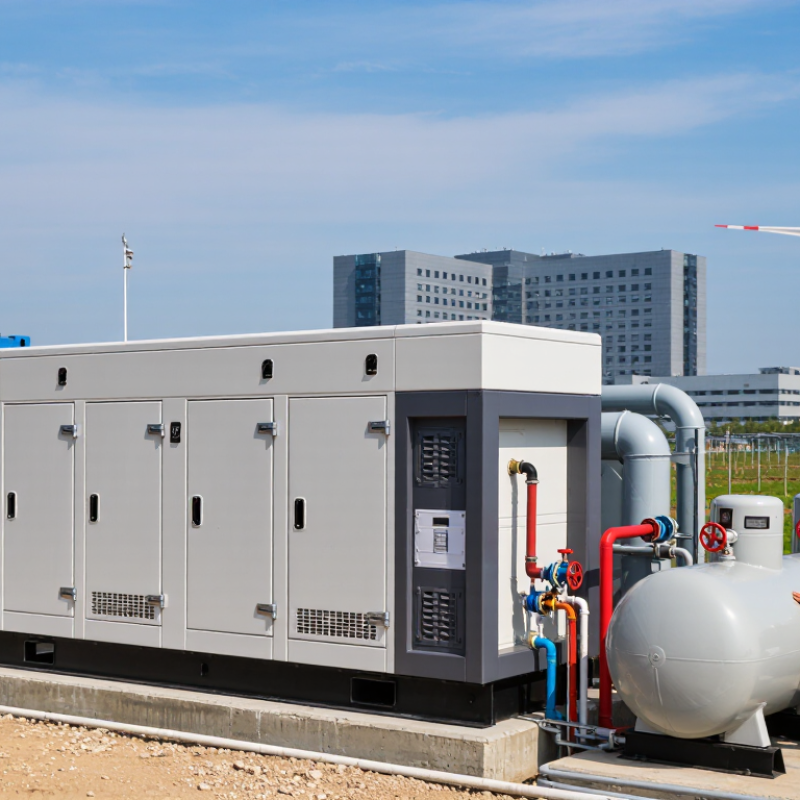
Reliable electricity is essential for hospitals, farms, factories, and remote construction sites. Yet fuel availability, weather, and grid instability differ widely between regions. An Lpg Generator offers a practical option when dependable power must be available beyond the public grid. It can run on liquefied petroleum gas, a fuel often stored in portable cylinders or larger tanks. That flexibility helps businesses plan energy supplies around their actual operating conditions.

In field applications, operators value cleaner combustion, steady performance, and relatively simple fuel handling. A properly sized LPG Generator can support refrigeration, water pumps, lighting, and sensitive equipment with fewer interruptions. Its enclosed design may also reduce exposure to rain, dust, and accidental contact. However, performance depends on ventilation, regulator quality, maintenance, and correct installation. Fuel storage must follow local safety requirements. Trained technicians should inspect connections, hoses, filters, and exhaust systems regularly.

The choice is not automatic. LPG availability can vary, and cold temperatures may affect vaporization in some installations. Noise, service access, and transport costs also deserve attention. A careful energy assessment should compare load demand, runtime, fuel pricing, and backup requirements. Small details matter. A poorly matched generator wastes fuel and may shorten equipment life. This is where supplier experience and transparent technical guidance become important. Manufacturers with documented testing, clear manuals, and responsive after-sales support offer stronger confidence. An LPG Generator is not a perfect answer for every market, but it can provide clean, flexible, and dependable power when designed for local conditions.

Why Choose an LPG Generator for Global Power Needs?

What Is an LPG Generator and How Does It Work?

Why Choose an LPG Generator for Global Power Needs?

An LPG generator converts fuel energy into electricity through a controlled combustion process. Liquid petroleum gas leaves a pressurized tank as vapor. The regulator lowers its pressure before the gas enters the mixer. Inside the engine, LPG combines with air and reaches the spark plug. Ignition pushes the piston, turning the crankshaft and alternator. The alternator then produces electrical power for appliances, pumps, or temporary work sites.

This system needs clean fuel delivery, correct ventilation, and accurate pressure control. A blocked regulator can cause unstable operation. Cold weather may also reduce vaporization when demand rises sharply. The U.S. Energy Information Administration reports that propane contains about 91,500 British thermal units per gallon. That energy density supports practical storage, although tank size still limits running time. The WLPGA Statistical Review 2024 recorded global LPG consumption at roughly 360 million tonnes in 2023, showing the fuel’s established international supply network.

LPG burns more cleanly than many heavy liquid fuels, with lower particulate output in properly adjusted engines. It is not emission-free. The IEA continues to identify LPG as an important transition fuel where electricity grids remain unreliable. In field operations, technicians should inspect hoses, valves, grounding, and exhaust clearance before starting. Automatic changeover systems can maintain supply, but they add components that require testing.

The overlooked detail is simple: good fuel quality cannot compensate for poor installation.

Why LPG Is Suitable for Diverse Global Power Requirements

Why Choose an LPG Generator for Global Power Needs?

Why LPG Is Suitable for Diverse Global Power Requirements

LPG generators suit many regions because the fuel is widely transported and stored in pressurized containers. That matters where natural gas pipelines are unavailable or diesel delivery is unreliable. In remote clinics, farms, and temporary work sites, LPG can support dependable electricity without complex fuel infrastructure. Fuel can remain usable during long storage when containers are sealed and inspected correctly.

Clean starts matter. Compared with diesel, LPG combustion usually produces less particulate matter and lower visible smoke. Stable vaporization also helps engines deliver consistent output across changing loads. Modern systems can automatically adjust fuel flow, supporting sensitive equipment such as refrigeration units, pumps, and communication devices. Yet context matters. Very cold weather can reduce vapor pressure, so larger tanks, suitable regulators, or controlled storage may be necessary.

Field technicians often find that installation quality determines real-world reliability. Ventilation, leak detection, grounding, and approved connections deserve careful attention. Small details matter. Operators should record run hours, inspect hoses, and test emergency shutoff systems regularly. Local regulations and cylinder standards must guide every installation, since requirements vary between countries. No fuel is perfect. LPG still needs disciplined handling, trained personnel, and a realistic assessment of supply access. A low-cost setup can become inefficient if tank refilling requires long-distance transport. Testing actual load demand before purchase prevents that mistake.

How LPG Generators Compare with Diesel and Gasoline Models

Why Choose an LPG Generator for Global Power Needs?

When comparing LPG generators with diesel and gasoline models, fuel availability matters. LPG can be stored in sealed cylinders or tanks for extended periods. It does not degrade as quickly as gasoline. That helps during seasonal outages or emergency preparation. LPG also burns with fewer soot particles than diesel, which can reduce visible exhaust around homes, workshops, and temporary work sites. Cleaner operation is useful.

Diesel generators usually deliver strong torque and long runtimes for heavy industrial loads. They suit construction equipment, irrigation pumps, and extended remote operations. However, diesel engines are often louder and heavier. Cold starts may also require more attention. Gasoline generators are generally lighter and easier to purchase in small quantities. They start quickly. Yet gasoline is highly volatile, and long-term storage requires careful fuel management. LPG offers a practical middle ground, especially where cylinders are already used for cooking or heating.

A realistic test should measure more than fuel price. Check starting performance, noise at ten meters, load stability, and service access. A 5-kilowatt unit running a freezer, lights, and a pump may expose weaknesses quickly. LPG fuel systems also need compatible regulators and qualified installation. It is not perfect. Tank space can limit runtime, and supply may vary after severe weather. Local technicians, ventilation rules, and approved connections should guide the final choice.

Why Choose an LPG Generator for Global Power Needs?

How LPG generators compare with diesel and gasoline models based on fuel energy content and direct combustion CO₂ emissions.

LPG produces less direct CO₂ per litre than diesel or gasoline, although its lower volumetric energy content can affect fuel consumption. Actual generator emissions also depend on engine efficiency, load, maintenance, and operating conditions.

Reference: U.S. Energy Information Administration fuel carbon coefficients and lower heating value data. Values are rounded typical fuel-property figures and do not represent any specific company or brand.

What Factors Influence LPG Generator Selection and Installation?

Selecting an LPG generator begins with the real load, not the advertised maximum output. Record running watts, motor-starting current, phase requirements, and expected growth. A pump may briefly demand two to seven times its running power. That surge can stall an undersized unit. ISO 8528-1 recommends evaluating generator performance under defined load conditions, while field engineers still need site measurements. A practical design often keeps continuous demand below the rated capacity, but this is not a universal rule.

Fuel logistics matter just as much. The World LPG Association’s Statistical Review 2024 places global LPG demand at roughly 350 million tonnes in recent market data. Availability is broad, yet storage capacity and delivery reliability differ sharply between regions. Check tank size, vaporisation capacity, regulator compatibility, and winter temperatures. Propane-rich LPG usually performs better in cold conditions than butane-heavy mixtures. Small details matter. A half-full tank is not automatically a safe reserve.

Installation conditions can change the selection. High altitude, heat, dust, humidity, and poor ventilation reduce practical output and increase maintenance needs. The International Energy Agency reported that about 2.3 billion people still lacked access to clean cooking in 2022, showing why dependable gaseous-fuel infrastructure remains important in many developing markets. Installers should follow local fire, electrical, and pressure-vessel requirements, including grounding, emergency shutoff, exhaust routing, and automatic transfer testing. I have seen projects focus on generator size while overlooking cable length and fuel-line pressure. That shortcut is expensive. Load testing after installation can reveal problems that specifications never show.

How to Operate, Maintain, and Safely Manage an LPG Generator

Why Choose an LPG Generator for Global Power Needs?

Operating an LPG generator safely begins with preparation, not the start button. Place it outdoors on firm, level ground with generous airflow. LPG vapour can collect in low areas, so keep drains, pits, and enclosed spaces clear. Check the cylinder, hose, regulator, and fittings for cracks or loose connections. Never test for leaks with a flame. Use approved leak-detection fluid instead.

Connect the load only after confirming the generator is correctly grounded and the output matches the equipment. Start the engine without unnecessary appliances attached. Let it run briefly, then add loads gradually. Avoid exceeding its rated capacity, especially when motors start. Keep fuel containers upright and away from heat, sparks, and direct sunlight. Do not improvise.

Routine maintenance should include oil checks, air-filter cleaning, spark-plug inspection, and battery testing. Examine hoses regularly, even when they appear clean. Keep a simple log of operating hours, repairs, and unusual sounds. This record helps technicians identify changes before a failure becomes expensive. Follow the manufacturer’s instructions and local safety requirements.

A practical lesson from field checks is that small oversights matter. A blocked vent or forgotten cable can create serious trouble. I have also learned that shutdown deserves attention. Remove electrical loads, close the fuel supply when appropriate, and allow the engine to cool before storage or servicing. Only trained personnel should repair fuel-system components.

Why Choose an LPG Generator for Global Power Needs? - How to Operate, Maintain, and Safely Manage an LPG Generator

Category Data Dimension Typical Value or Requirement Practical Meaning Safety or Management Guidance
Why LPG Generators Are Used for Global Power Needs
Fuel Characteristics Lower heating value of LPG Approximately 46.1 MJ/kg for propane; the exact value varies with LPG composition LPG contains substantial energy per unit of mass and is suitable for portable, standby, and prime-power applications. Use the fuel specification supplied for the local LPG blend when calculating consumption and storage capacity.
Fuel Conversion Liquid LPG volume-to-mass relationship Approximately 1 litre of liquid propane weighs about 0.51 kg; actual density varies with temperature and composition A 20-litre liquid container may hold roughly 10 kg of propane, subject to the container’s approved filling limit. Never fill a cylinder beyond its permitted filling limit. Allow expansion space and follow local cylinder regulations.
Emissions Combustion profile Generally lower particulate and sulfur emissions than diesel, when correctly adjusted and maintained LPG can support cleaner operation in locations where air quality, noise, or fuel storage conditions are important. Lower emissions do not eliminate carbon monoxide risk. Operate only in well-ventilated outdoor areas unless a qualified installation is designed for indoor use.
Fuel Storage Storage form Stored as a liquefied gas under pressure Large amounts of usable energy can be stored in a relatively compact container. Keep cylinders upright, secured, protected from impact, and away from heat, ignition sources, drains, and low-lying areas.
Power Quality Voltage and frequency stability Depends on the generator’s alternator, governor, inverter system, load, and maintenance condition Proper sizing and load management are essential for sensitive equipment. Confirm rated voltage, frequency, phase, and maximum starting current before connecting electrical loads.
Operating Data and Basic Sizing
Generator Efficiency Typical electrical efficiency Approximately 25%–35% for many small and medium reciprocating-engine generator sets at suitable load Actual fuel use depends on generator size, engine design, load percentage, ambient conditions, and LPG composition. Use the manufacturer’s fuel-consumption curve rather than a single average value when planning runtime.
Load Planning Recommended continuous operating load Common planning range: 50%–80% of rated continuous capacity This range generally provides useful operating efficiency while retaining reserve capacity for load changes. Avoid sustained overloads. Motors, pumps, compressors, and refrigeration equipment may require higher starting current than their running rating.
Capacity Calculation Basic running-load estimate Required kW ≈ Total running kW × 1.25 The 25% allowance is a preliminary planning margin, not a substitute for a detailed load study. Check motor starting current, power factor, harmonics, and simultaneous-load conditions before final selection.
Runtime Planning Runtime formula Runtime ≈ Usable LPG mass ÷ Fuel consumption per hour For example, 20 kg of usable LPG at 2 kg/hour would provide approximately 10 hours under comparable conditions. Actual runtime changes with load, temperature, regulator capacity, cylinder pressure, and engine condition.
Fuel Supply Vaporization capacity Must be sufficient for the generator’s maximum fuel demand at the lowest expected ambient temperature A cylinder can contain fuel but still fail to supply enough vapor during high demand or cold weather. Consult a qualified LPG technician for cylinder quantity, manifold design, regulator sizing, and cold-weather operation.
Electrical Connection Transfer equipment Use a properly rated manual or automatic transfer switch for backup installations A transfer switch prevents the generator from energizing utility lines unexpectedly. Never connect a generator to building wiring through an improvised back-feed connection.
Safe Operating Procedure
Pre-Start Inspection Fuel system, oil, coolant, cables, and ventilation Before every start Confirms that the generator and fuel system are ready for operation. Check for LPG odor, damaged hoses, loose fittings, oil leaks, blocked air inlets, damaged cables, and accumulated debris.
Leak Detection Approved leak-test method Use an LPG-approved leak-detection solution or suitable gas detector Small leaks may not be visible and should never be located with a flame. Never use a match, lighter, or other flame to test for leaks. If a leak is suspected, shut off the supply if safe, leave the area, and contact qualified personnel.
Starting Start sequence Open the fuel supply as specified, start the engine, and allow stabilization before applying load Stabilization helps the engine and alternator reach normal operating speed and voltage. Follow the equipment manual. Do not bypass low-oil, over-temperature, or other protective shutdown systems.
Load Application Connection sequence Connect loads progressively, beginning with essential or low-inrush loads Gradual loading reduces voltage and frequency disturbances. Monitor voltage, frequency, engine temperature, oil pressure, and unusual vibration or noise.
Ventilation Operating location Outdoor operation in a clear, open area is the normal safe arrangement Engine exhaust contains carbon monoxide, an odorless and potentially fatal gas. Never operate in a home, garage, basement, shed, or other enclosed or partially enclosed space.
Shutdown Normal shutdown sequence Remove electrical load, allow a short no-load cool-down if specified, then stop the engine and close the fuel supply when appropriate Controlled shutdown reduces thermal stress and helps prevent fuel-system hazards. Do not move or refuel a hot generator. Follow the manual’s instructions for fuel-valve operation and cooldown time.
Maintenance Schedule
Engine Oil Level and condition Check before each use; change according to the manual, commonly after the initial break-in period and then at defined operating-hour intervals Correct oil level and grade are essential for lubrication and temperature control. Use the specified oil grade for the expected ambient temperature. Dispose of used oil according to local rules.
Air Filter Inspection and replacement Inspect regularly; clean or replace when dirty or at the manual’s service interval A restricted filter can reduce power, increase fuel use, and cause poor combustion. Do not operate with a damaged or incorrectly fitted filter.
Spark Plug or Ignition System Inspection Inspect periodically and replace or adjust according to the engine service schedule Correct ignition supports reliable starting and efficient LPG combustion. Disconnect the ignition system before servicing and allow the engine to cool.
LPG Hose and Regulator Condition and connection check Inspect before use and replace damaged, cracked, expired, or incorrectly rated components Hoses and regulators are critical pressure-control components. Use only components approved for LPG service and compatible with the operating pressure and connection type.
Cooling System Air passages and coolant Keep air inlets, outlets, fins, and radiator surfaces clean; check coolant where applicable Restricted airflow or low coolant can cause overheating and automatic shutdown. Never remove a pressurized radiator cap while hot. Allow the system to cool first.
Battery and Starting System Terminal condition and charge Inspect periodically and keep terminals clean and secure A weak battery can prevent reliable standby starting. Keep sparks and flames away from batteries and use appropriate eye protection during service.
Professional Inspection Comprehensive service At least annually for standby equipment, or more frequently in severe, dusty, humid, or high-use conditions A qualified inspection can identify fuel-system, grounding, exhaust, and control-system problems. Follow local electrical, fire, pressure-vessel, and emissions requirements.
LPG and Carbon Monoxide Safety
LPG Vapor Behavior Relative density Propane vapor is heavier than air, with a relative vapor density of about 1.5 compared with air Leaking vapor may collect near floors, pits, drains, and other low points. Keep cylinders and equipment away from low-lying enclosed spaces and provide suitable ventilation.
Flammability Propane-air flammability range Approximately 2.1%–9.5% by volume in air; limits vary with composition and conditions A combustible mixture can form without a visible liquid spill. Control ignition sources, prohibit smoking nearby, and use electrical equipment suitable for the classified area where required.
Odorization Leak warning LPG is commonly odorized so leaks may be detected by smell Odor provides a warning but is not a substitute for inspection or gas detection. Do not assume there is no leak because no odor is noticed; odor fatigue and ventilation can reduce detection.
Carbon Monoxide Exhaust hazard Carbon monoxide is colorless and odorless and can accumulate rapidly in enclosed or partially enclosed areas Symptoms may include headache, dizziness, weakness, nausea, confusion, and unconsciousness. Install carbon-monoxide alarms where required, keep exhaust away from openings, and leave the area immediately if symptoms or an alarm occur.
Emergency Response Suspected leak or fire Evacuate, avoid ignition sources, and call emergency services Personal safety takes priority over equipment recovery. Close the cylinder valve only if it can be done without risk. Do not re-enter until qualified responders declare the area safe.

Values shown are general engineering guidance. Generator capacity, fuel consumption, LPG composition, pressure, storage, installation, and maintenance requirements must be verified against the equipment manual and applicable local laws and safety standards.

Article Source: