Financing

If you are interested in financing to fund your Bay-Lynx purchase, we recommend that you connect with Easylease Corp., a Canadian-based leasing and finance company that offers premier equipment leasing and financial services. They are focused on making it easier than ever before for companies to overcome cash flow and resource constraints to acquire the assets they need to grow their business.

Leasing through Easylease Corp. can offer several benefits:

  • Conserve Cash Leasing
  • 100% Financing
  • No Pre-Payment of Taxes
  • Preserve Lines of Credit
  • Potential Income Tax Benefits
  • Pay as You Profit
  • Match Revenue with Expenditures
  • Simple, Convenient Process
  • Tailored Payments

Click here for your Canadian instant lease quote >>

For US customers, Click here for your instant lease application >>

What Types of Concrete Mixer Trucks Are Available?

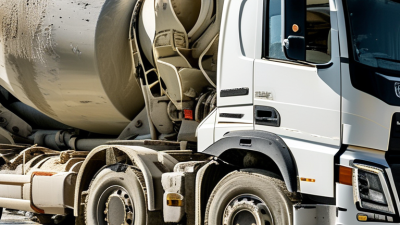
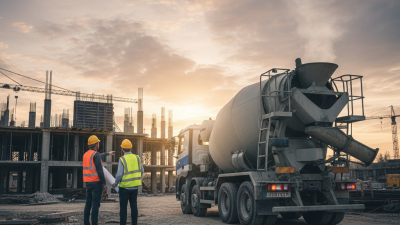
A concrete mixer truck does more than carry concrete. Its drum keeps the mix moving, while capacity, chassis design, and discharge equipment shape how it performs on a jobsite. Choosing the right type matters. A compact truck may suit a narrow urban street; a larger standard mixer can serve high-volume pours; and a front-discharge model can help operators place concrete where rear access is limited.

Professional guidance highlights why transport design matters. ACI Committee 304’s Guide for Measuring, Mixing, Transporting, and Placing Concrete explains the importance of handling concrete properly throughout delivery. The National Ready Mixed Concrete Association’s industry resources also document the practical requirements of ready-mixed concrete production and delivery. These references provide a sound foundation for comparing truck configurations, but they do not support a single universal ranking. Site access, required volume, travel time, and placement method all affect the choice.

The following overview examines common types of concrete mixer truck, including rear-discharge, front-discharge, volumetric, and compact models. Each has trade-offs. A truck that works well on a wide commercial site may struggle on a tight residential approach. The details matter.

No source articles were included with the request, so I can’t verify or responsibly attribute a direct quotation to a named industry expert.
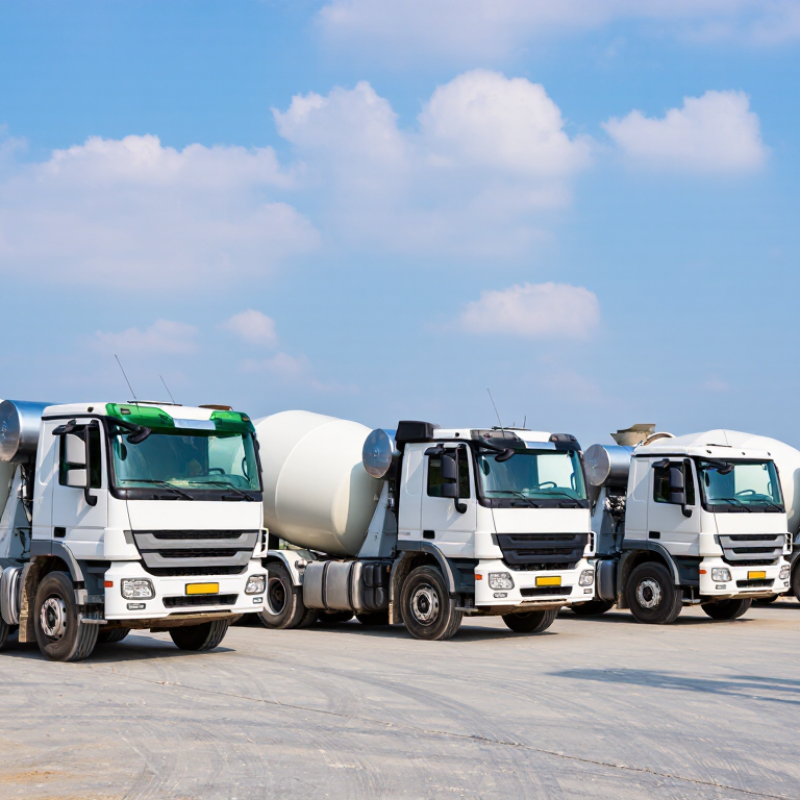
What Types of Concrete Mixer Trucks Are Available?

How Concrete Mixer Trucks Are Classified by Mixing Method

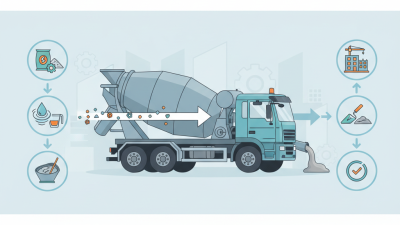
Concrete mixer trucks are commonly classified by where mixing takes place. Transit-mix trucks carry dry ingredients and water in a rotating drum. The drum’s blades mix the batch during travel, then keep it moving before discharge. This method is widely used for ready-mixed concrete. Delivery delays still matter; extended travel can affect workability.

With central mixing, a stationary plant fully mixes the concrete before loading it into an agitator truck. The truck mainly keeps the mix moving. Shrink-mix trucks use a middle approach: the plant starts mixing, and the truck finishes the process. Volumetric mixers carry separate ingredients and mix measured amounts on site. They can suit small pours or changing demand, but accurate calibration is essential. These categories can sound less clear in practice.

Tips: Ask where the concrete is mixed and how much mixing happens in transit. Check drum condition and delivery timing. For volumetric equipment, verify calibration and water settings before pouring. Small checks help. Concrete can be fussy.

Transit Mixer Trucks and Their Rotating Drums

Transit mixer trucks carry fresh concrete in a rotating drum, keeping the load workable during travel. Inside, spiral blades lift and fold the mix as the drum turns. This action helps distribute cement, water, sand, and aggregate. It is not a cure for poor batching. The load still needs careful proportioning.

Drum rotation has distinct jobs. Faster mixing blends ingredients; slower agitation limits settling while the truck moves. ASTM C94/C94M specifies 70 to 100 revolutions at mixing speed for truck-mixed concrete, unless otherwise agreed. After that, the drum generally runs at an agitating speed. Too much turning can affect workability, so operators track revolutions and follow the mix requirements. Small details matter.

Transit mixers commonly use rear-discharge or front-discharge arrangements. Rear-discharge trucks direct concrete through a chute behind the cab, while front-discharge designs let drivers control placement from the cab. Both depend on a sound drum, working blades, and steady rotation. A worn blade can leave uneven material, even when the exterior looks fine. That flaw is easy to miss. ASTM C94/C94M provides a useful technical reference, but site conditions and mix specifications still guide handling.

Front-Discharge and Rear-Discharge Mixer Trucks

Front-discharge
Front-discharge and rear-discharge mixer trucks differ mainly in how concrete reaches the placement point. On a front-discharge truck, the chute sits ahead of the mixing drum. The driver can often steer and adjust it from the cab, helping a small crew place concrete without constant hand signals. This layout can suit narrow sites, but the truck still needs a clear approach path. Overhead wires or low branches may restrict chute movement.

Rear-discharge
A rear-discharge truck sends concrete over the back, where a crew member usually guides the chute. This arrangement can work well when the truck backs close to the pour area, such as beside a slab form. It depends on clear communication between the driver and ground crew. Clearance matters. A tight turning area or soft ground can make positioning difficult, even when the pour itself is straightforward. Neither layout is automatically better; checking the actual route can reveal problems a site drawing misses.

Tips: Before delivery, measure the entrance, turning space, and chute reach. Confirm who will guide the chute and where the truck can safely stop.

Volumetric Mixer Trucks for On-Site Batching

Volumetric mixer trucks carry cement, aggregates, water, and sometimes admixtures in separate compartments. At the jobsite, calibrated meters and feed mechanisms deliver ingredients into a mixing chamber as concrete is needed. Crews can make smaller batches throughout the day, which can help with repairs, rural placements, or changing pour schedules. Less unused concrete may be left over. That matters.

Operators can adjust a mix between batches, but flexibility does not guarantee consistent quality. Aggregate moisture, meter calibration, and feed rates all affect the water-cement ratio and the finished mix. A careful operator checks settings, watches the discharge, and records adjustments. Required slump or other specified tests still matter. These trucks also need room for material storage and regular cleaning, while output depends on the equipment and crew. There is a trade-off. On-site batching can reduce waiting for a scheduled delivery, but it asks the crew to manage more variables during the pour. Even slight calibration drift can produce a stiff load or excess water. Worth checking.

Specialized Mixer Trucks for Challenging Worksites

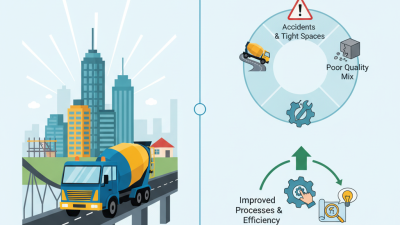
Specialized mixer trucks help keep concrete moving when access is tight, ground is uneven, or delivery distances are long. Compact mixers can fit narrow streets and small work zones, though their smaller loads may require more trips. On rough sites, trucks with increased ground clearance and traction can handle loose gravel or muddy approaches. Check turning space before delivery; a truck that reaches the entrance may still be unable to position safely beside the pour.

For steep or confined sites, a smaller chassis can be easier to place than a standard heavy mixer. Front-discharge designs let the driver control the chute from the cab, which may help when reversing space is limited. Rear-discharge trucks remain useful where crews have room to guide the chute from behind. Neither layout fixes poor access. The chute’s reach, overhead clearance, and placement area still need checking against the site plan.

Remote projects may benefit from volumetric mixers, which carry ingredients separately and blend concrete at the jobsite. This can reduce reliance on long delivery windows, but it requires trained operators and careful calibration. That matters. Before selecting a truck, compare route width, slope, soil conditions, required volume, and the concrete mix’s placement needs. Site conditions can change after rain, and a plan that looked adequate on paper may need revision.

What Types of Concrete Mixer Trucks Are Available? - Specialized Mixer Trucks for Challenging Worksites

Mixer Truck Type How It Works Useful Worksite Features Best Suited For Key Considerations
Rear-Discharge Transit Mixer A rotating drum keeps concrete agitated during transport. Concrete is discharged through a rear chute. Widely used configuration; chute sections can be positioned to direct concrete close to the truck. General construction sites with adequate truck access and room to position behind the pour. Requires space for reversing and chute setup. Site access, delivery distance, and concrete specifications affect suitability.
Front-Discharge Mixer Concrete is carried in a rotating drum and discharged over the front of the vehicle. The driver can typically control chute positioning from the cab, which can reduce the need for ground crew to guide the truck during placement. Sites where placing the truck close to the pour and moving forward during discharge are useful. Vehicle size and turning requirements still need to be checked against access roads, overhead clearance, and ground conditions.
Compact or Narrow-Access Mixer A smaller mixer truck carries and agitates a reduced load of ready-mixed concrete. Shorter or narrower chassis can improve access on constrained routes and smaller sites. Urban projects, residential work, narrow access roads, and pours with limited delivery space. Smaller loads may require more trips. Confirm route width, turning radius, payload limits, and required pour volume.
Rough-Terrain or Off-Road Mixer A mixer drum is mounted on a chassis configured for uneven or unpaved operating conditions. Depending on the vehicle design, features may include high ground clearance, suitable tires, and traction-focused drivetrains. Remote, muddy, steep, or unpaved construction areas where standard road trucks may have difficulty operating. Capability varies by chassis and site conditions. Check grade limits, soil bearing capacity, traction needs, and applicable road-use rules.
Volumetric Mobile Mixer Separate compartments carry cement, aggregates, water, and other ingredients; the materials are proportioned and mixed on site. Can produce concrete as needed and adjust batch quantities or mix proportions on site when the equipment and approved mix design allow. Small or phased pours, remote locations, and jobs where demand or timing may change. Requires correct calibration, suitable materials, and quality-control procedures. Production rate depends on equipment, mix, and operating conditions.
Mixer with a Discharge Conveyor A transit mixer is fitted with a conveyor system to move discharged concrete farther from the truck. Can place concrete over or around obstacles where a conventional chute cannot reach directly. Foundations, walls, or site layouts where truck positioning is restricted but the conveyor can reach the pour. Reach, setup space, ground stability, and concrete consistency must be checked for the specific equipment and placement plan.

Equipment configurations and carrying capacities vary by vehicle, market, and local weight regulations. Confirm site access, ground conditions, placement reach, and the required concrete mix before selecting a truck.