
If you are interested in financing to fund your Bay-Lynx purchase, we recommend that you connect with Easylease Corp., a Canadian-based leasing and finance company that offers premier equipment leasing and financial services. They are focused on making it easier than ever before for companies to overcome cash flow and resource constraints to acquire the assets they need to grow their business.
Leasing through Easylease Corp. can offer several benefits:
Click here for your Canadian instant lease quote >>
For US customers, Click here for your instant lease application >>
A volumetric concrete mixer is a game-changer in the construction industry. This innovative machine combines and mixes concrete ingredients on-site. With precise measurements, it ensures consistent quality.
These mixers are equipped with multiple compartments. They hold various materials, including cement, water, and aggregates. This allows for quick adjustments to achieve the desired concrete mix. Many professionals appreciate the flexibility offered by volumetric concrete mixers. They can produce different mixes for unique projects.
Despite their advantages, these mixers have a learning curve. Operators must understand how to calibrate the machinery correctly. Miscalculations can lead to waste or errors in consistency. Overall, a volumetric concrete mixer enhances efficiency and versatility on the job site. However, it's crucial to approach its operation with care and practice.
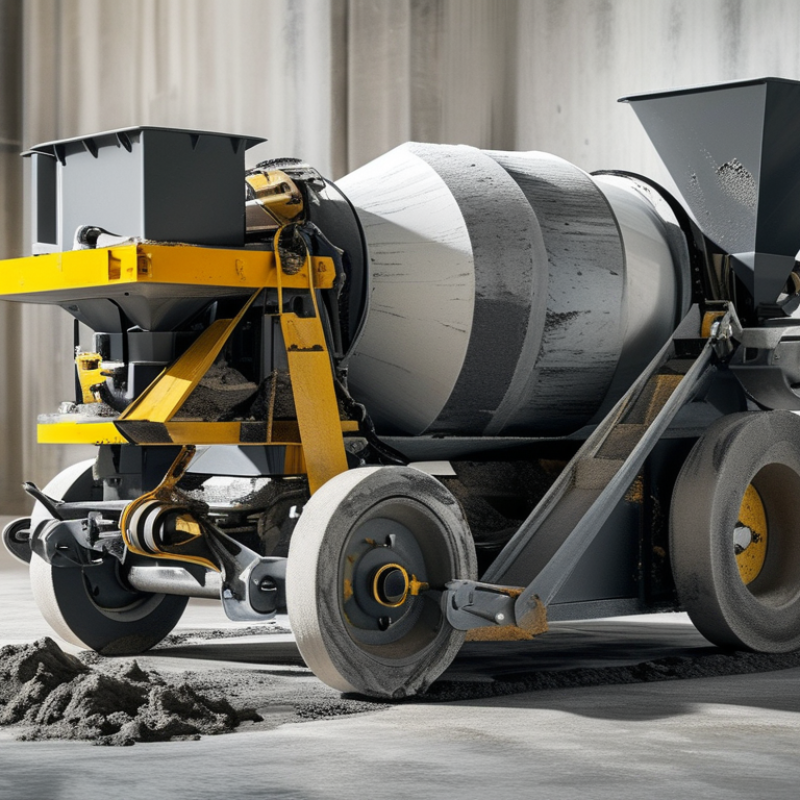
A volumetric concrete mixer is a unique machine designed for on-site concrete mixing. It combines both a concrete mixer and a concrete truck. This system allows for precise measurement and control of materials. Users can mix concrete right when it's needed, ensuring maximum freshness.
Key features include the ability to adjust the mix design easily. Operators can add water, aggregates, and cement in specific proportions. This flexibility helps in meeting diverse project requirements. The mixer often comes equipped with a digital display for real-time monitoring. This feature assures optimal accuracy in mixing ratios.
**Tip:** Regularly check the calibration of your mixer to ensure it operates correctly. Calibration issues can lead to inconsistent concrete quality.
For those new to volumetric mixing, understanding the machine's components is essential. Familiarity with the water tanks and aggregate compartments can enhance mixing efficiency. This knowledge is vital for minimizing waste and maximizing output.
**Tip:** Always clean the mixer after use to prevent clogs and contamination. A well-maintained mixer extends the machine’s lifespan and improves reliability. Working with volumetric concrete mixers might come with a learning curve. Adapting to its unique operational style can take time.

Volumetric concrete mixers are vital in the construction industry. They mix concrete on-site, ensuring fresh and customizable mixtures. Each component plays a critical role in this process.
The mixer consists of several key parts. The aggregate compartment holds sand and gravel. The cement silo stores dry cement. Water tanks provide the necessary liquid for mixing. These elements work together seamlessly to produce the right concrete consistency. The volumetric design allows for flexibility. Users can adjust the ratios of materials as needed. Reports indicate that over 70% of construction projects benefit from this adaptability.
However, challenges exist. Mixing precision may vary, especially if operators are inexperienced. Some reports highlight discrepancies in water ratios, leading to inconsistent concrete strength. Training operators is essential. A well-trained team enhances mixer performance and product reliability. Investing in skills can yield significant long-term benefits. Errors may occur, requiring constant monitoring and adjustments.
Volumetric concrete mixers have transformed how concrete is mixed and delivered. These mixers operate by measuring the ingredients on-site, enabling precise control over the mix. Each component, including cement, water, and aggregates, is stored in separate compartments. When ordered, the mixer precisely calculates the required quantities. This setup allows for the exact amount of concrete to be mixed on demand.
The mixing process begins when the operator inputs the desired concrete specifications. Sensors in the mixer measure the volume of each ingredient. Once the components are released, an auger blends them into a uniform mixture. This method minimizes waste and ensures that each batch meets the project’s requirements. However, mastering the equipment can be challenging. Operators must be trained to understand the nuances of mixing percentages and moisture levels.
Despite the efficiency, issues may arise. A minor miscalculation can lead to improper concrete consistency. There’s also the risk of material segregation if not mixed thoroughly. Operators must stay vigilant, adapt, and double-check their measurements. As with any technology, learning curves exist, and experience plays a critical role in achieving optimal results.
This chart illustrates the performance of volumetric concrete mixers over a six-month period, showcasing the cubic meters of concrete mixed each month. The data reflects how the output of concrete can steadily increase, highlighting the efficiency of on-site mixing capabilities.
Volumetric concrete mixers are revolutionizing construction processes. These mixers blend concrete on-site, ensuring freshness and accuracy. They use individual components, measuring them as needed. This results in precise amounts of concrete, tailored to specific project demands. Workers can adjust the mix according to varying conditions, such as the weather or project size.
One notable advantage is waste reduction. Traditional mixing often results in leftover concrete. With volumetric mixers, only the required amount is produced, minimizing excess. This not only saves materials but also cuts costs. Additionally, the mobility of these mixers allows for efficient transport to various job sites. Flexibility is a key benefit, enabling quick adjustments to mix designs.
However, there are challenges. Operators must be well-trained to ensure quality is maintained. Inexperienced hands can lead to inconsistencies. Adapting to different sites may also pose difficulties. Embracing technology and ongoing training can mitigate these issues. Overall, the use of volumetric mixers offers distinct advantages, yet careful consideration and expertise are essential for optimal results.
Volumetric concrete mixers are becoming essential in the construction industry. These mixers ensure precise material measurement, which enhances concrete quality. Meeting industry standards is crucial for achieving optimal results. Compliance with regulations guarantees safety and efficiency on construction sites.
The American Concrete Institute (ACI) outlines several key standards for volumetric mixers. According to ACI 318, mixers must be capable of accurately measuring each component of the mix. Additionally, the National Ready Mixed Concrete Association (NRMCA) recommends regular calibration to maintain accuracy. Interestingly, though many mixers comply with these standards, some face challenges in achieving consistent batch quality. Regular inspections can help identify issues and improve reliability.
Tip: Always verify mixer calibration before use. This simple step can significantly impact project outcomes. Additionally, consider implementing a routine maintenance schedule. It can minimize downtime and ensures compliance with industry standards. Striving for perfection in mixing practices can be a constant challenge, but addressing these areas thoughtfully can lead to improved performance and quality.